Stylish, yet not pretentious; Quaint, yet modern; Metropolitan, but with a small town feel– Copenhagen has struck the perfect balance. This Danish capital manages to be a bustling and innovative city while still maintaining a strong sense of hygge.
Hygge, pronounced “hooga”, is a Danish word defined as ‘a quality of coziness that engenders a feeling of contentment or well-being’. It is a defining characteristic of Danish culture, and perhaps the secret behind the all time high levels of happiness found in the country.
While often described as that sense of comfort and relaxation one has when curled up by the fire with a cup of hot chocolate, hygge can be found just about anywhere at anytime. During my recent trip to Copenhagen, I was struck with this feeling of hygge on multiple occasions: when biking across town with friends at sunset, sitting canal side indulging in a Danish pastry, or immersed by the latest exhibit at the Design Museum. These moments are what made me fall in love with Copenhagen. Here are some of my favorite, hygge-inducing spots around the city:
Design Museum Denmark: This museum showcases the vast history of Danish design. Displaying everything from decorative arts, to print media, and fashion this museum is a great way to get your aesthetic fix while also learning about Danish history and culture. The museum cafe is worth a visit as well.
Processed with VSCO with a6 preset
Cafe Mahelle: This Turkish-Lebanese cafe located in Norrebro offers tasty food on colorful plates in a bright and aesthetic space. If you have a hankering for hummus and halloumi, this is your go to.
Kastellet: Originally built in the 1600s, this star-shaped fortress is one of the best preserved fortresses found in Europe. While still functioning as a military post today, the public is welcome to explore the beautiful grounds and various buildings on site.
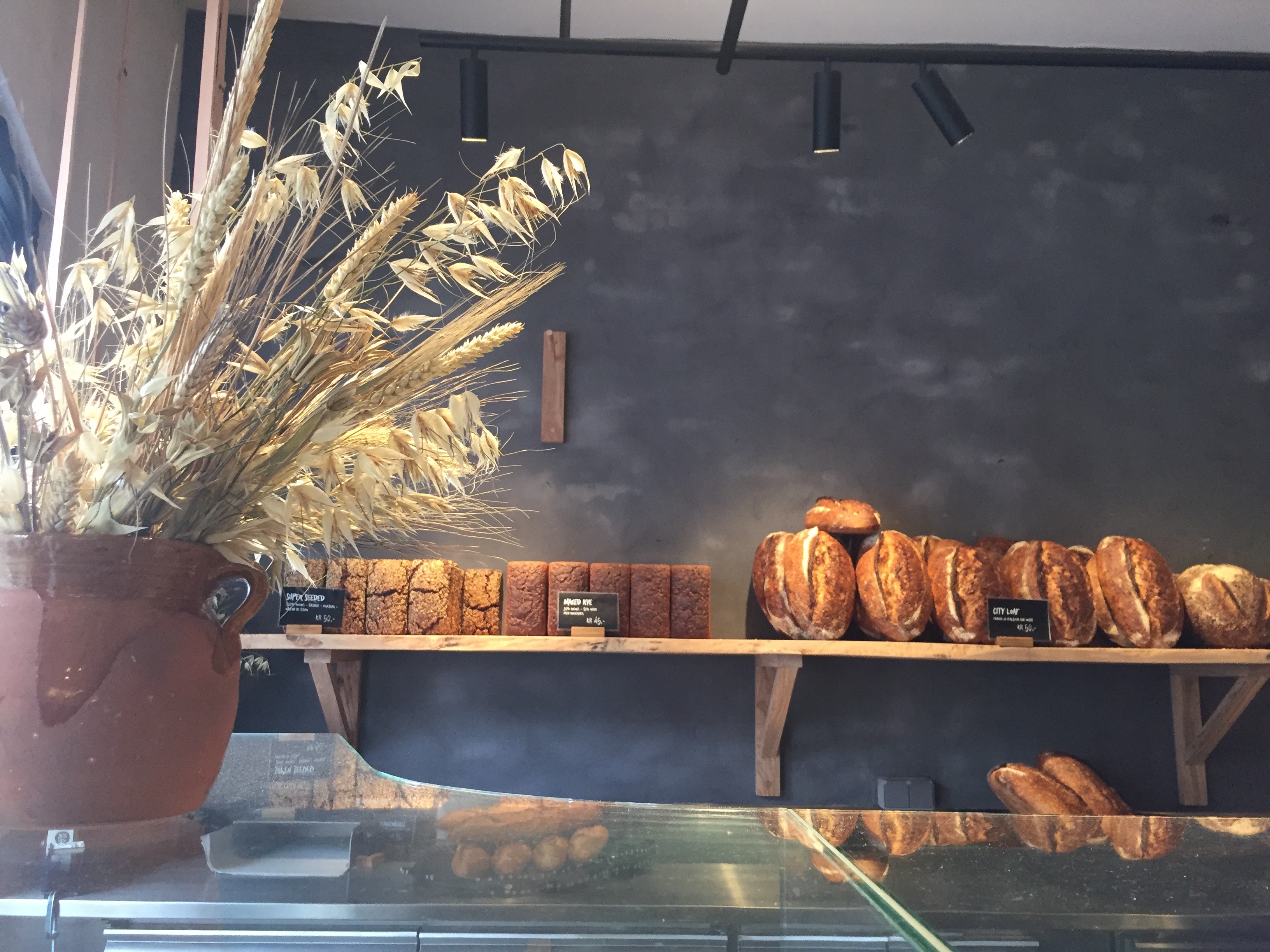
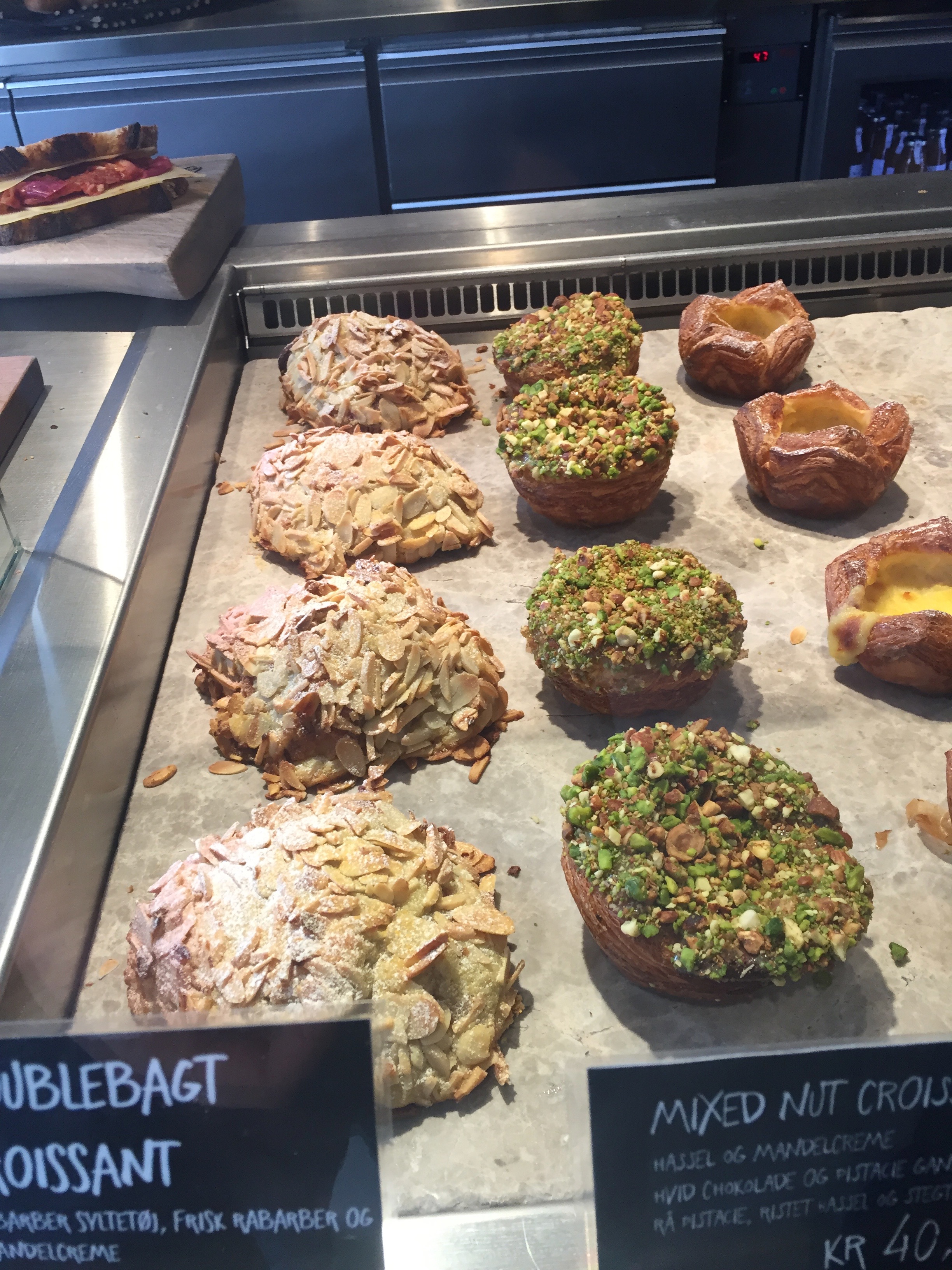
Hart Bageri: Located in the Frederiksberg neighborhood, this bakery was opened by the former head baker of San Francisco’s acclaimed Tartine Bakery. Offering bread and pastries, everything looked, smelled and tasted delicious.
Arriving in Prague was like stepping into Disneyland… quaint buildings, cobblestone squares, a grand castle, and, quite frankly, too many people. It was certainly beautiful and picturesque, but something about having to shove your way through swarms of people to get across the street ruins the charm. Regardless, I still really enjoyed my time here! Here are a few of my favorite spots:
Astronomical Clock
This clock was built in 1410 and remains one of Pragues greatest and most visited historical sites. The clock tells not only the time of day, but also the day, month and year, the position of celestial bodies and the astronomical cycles. But, that’s not all– on every hour, the sides of the clock open to reveal a parade of the 12 apostles through the clock’s windows. While the clock is definitely beautiful, it is also extremely touristy. I certainly appreciated the beauty and history of the clock, however due to the swarms of people, I wasn’t able to stay for too long.
Charles Bridge
The Charles Bridge is a stone gothic bridge connecting the Old Town to the Lesser Town across the river. The bridge was built in the 1300s and is lined with baroque statues, and breathtaking views of the city. While the bridge is beautiful, if you plan on crossing it after 10:00am it will be packed with tourist groups and vendors.
Artiseme
Right next to the Lennon Wall is Artiseme, an art gallery
and concept store. Weaving together historic art pieces with modern design, this
space stands as a fitting tribute to Prague’s history, creativity, and
innovative culture.
Bakeshop
This cute bakery window offers an abundant selection of irresistible baked goods and treats. With several locations throughout the city, the one near Charles Bridge Lesser Tower was my favorite. Stop by for a brownie, coffee, and aesthetic photo.
Mistral Café
This Mistral Café is a minimalist yet welcoming café/restaurant
in Old Town. I was unable to eat here, but I definitely would have if I had the
time!
The Czech Inn
Although located slightly far from the city center and main attractions, this hostel was clean, stylish, comfortable, and cheap! Surrounded by restaurants and fun cafes, and close enough to metro stations, I was able to easily site see and also explore a part of Prague I wouldn’t have normally ventured to. If I ever come back to Prague, I would gladly stay here again.
My latest trip began with 3 days in Spain’s Catalonian capital, Barcelona. My stay in Barcelona was the perfect amount of time to immerse myself in the city’s distinctive charm. Unlike other cities I’ve visited, Barcelona doesn’t seem to pride itself on specific tourist attractions. A trip doesn’t necessarily require seeing the Rambla or the Arc de Triomf to truly understand the city and its culture. Instead, take the time to stroll through the labyrinth of side streets, appreciate the vibrant art and architecture, and enjoy tapas with locals to get a true taste of Catalonian life.
My trip to Barcelona happened to overlap with a few major holidays—Easter Sunday, a Monday bank holiday, followed by San Jordi’s Day (the Spanish equivalent to Valentines Day) on Tuesday. On Sunday and Monday, the city felt weirdly vacant—most of the stores were closed and very few locals were out and about. While it was the perfect opportunity to appreciate Barcelona without the immense crowds, I was in for a huge surprise when the city sprung to life on Tuesday. Suddenly, the streets were lined with vendors selling books and roses in honor of San Jordi. Locals and tourists alike flocked to the streets, blanketing the capital with remarkable energy, and congestion. The city is known for its variety of local holidays and festivals and holidays, so keep that in mind when visiting as it might effect ticket availability and opening hours at several tourist sights and attractions.
What I appreciated most about Barcelona was its mix of urban
metropolis and beach town. The city boasts vibrant creative and cultural sites and businesses
while still offering the laid back beach-town vibe. I could go from admiring
world-class art and architecture to strolling on the beach within minutes. This
city was unlike any other European city I’d ever visited, exploding with local
pride, delicious food and drinks, and colorful design.
TO STAY
The Hipstel Paseo del Gracia My first two nights, I was able to stay with a friend outside of the city. But for the second half of my trip, I stayed at The Hipstel Paseo del Gracia. I honestly don’t have much experience staying in hostels, but if I were to visit Barcelona again, I would stay elsewhere. While the location was great, the hostel itself and the amenities were lacking. The lockers didn’t actually have locking capabilities, the shower’s didn’t offer much privacy, and the bedrooms were far from comfortable with creaky beds and little ventilation. I would suggest looking into Pars Teatro Hostel.
TO SEE
Pro Tip: I was in Barcelona for Easter weekend and Sagrada Familia and Park Guell was sold out for the entire week. So I would suggest booking tickets before your trip to guarentee seeing the city’s main sights and attractions.
La Sagrada Familia It doesn’t take long to realize that Gaudi is a big deal in Barcelona. And while this architect’s entire body of work is impressive, La Sagrada familia reigns supreme. This large, unfinished Roman Catholic church has been under construction for over 100 years and represents a completely new perspective in religious architecture. Learn from my mistakes and buy your ticket well in advance to ensure that you can see the inside.
Park Güell This beautiful green oasis perched above the city offers the famed modernist architecture of Gaudi in a tranquil garden setting with incredible city views. You can explore the park without a ticket, but in order to see the works of Gaudi up close and personal, be sure to purchase a ticket in advance.
Casa Vicens My favorite part of Barcelona was seeing Casa Vicens. This house turned museum was the first house designed by Gaudi and features ultra Instagram-worthy tile and architectural details. Gaudi has several other notable houses to see throughout the city, but this one was the best by far.
Barceloneta Beach While trekking around the city, it is easy to forget that Barcelona is also an acclaimed beach town. So when you get tired of the tourists or your feet start to hurt, make your way over to Barceloneta for a little sun, surf, and sand. It is the perfect way to end the day.
TO EAT
Mercado de la Bocaria Located right off the Rambla, this large bustling market offers an endless selection of local delicacies. From seafood, to paella, empanadas, and fresh fruit, this market makes the perfect pitstop for lunch or dinner. I would recommend taking your food to-go to eat on the beach.
Baluard This eatery located in the lobby of Hotel Praktik is cute, convenient, and surprisingly spacious. Stop by for a casual lunch or morning coffee, and be sure to try a cinnamon bun (not pictured).
Like when moving to any new city, I knew that coming to Paris would bring with it a slew of lifestyle changes. A new currency, language, and time zone to name a few. However, I have found that the biggest variations between France and America have been more subtle and have taken time to understand and adapt to. Here are a few of the most significant differences I’ve noticed since moving to France:
Meals
A major, and unexpected, lifestyle shift since moving to Paris has been the difference in food culture, particularly meals. It might be because I come from such a diverse community back in California, coupled with the fact that young adult eating habits are a bit of a free for all – french fries for dinner at 4pm, why not?—that made it shocking to learn how standardized French meals are.
Breakfast tends to be sweet and bread heavy—Nutella on toast with some milk seems to be a common meal for most kids. Lunch is the biggest meal of the day, generally meat with vegetables and pasta, followed by a yogurt or fruit for dessert. Then, at 4:30pm is Gouter, which in my opinion, the best meal of the day. This is when France gets their chocolate and junk food fix. Kids and adults alike eat cookies, chocolate, pain au chocolate, croissants—honestly anything goes as long as its sweet and chocolate-y. Because of this big late afternoon snack, dinner tends to be later, at least after 7pm. The meal is light, vegetable based, and followed with cheese and fruit.
I think it’s also important to note that the French don’t rush their meals. They take the time to sit, engage with family and friends and relax. This is evident at restaurants, where you never feel rushed to order and pay. Even at school cafeterias, kids sit down and enjoy several courses during their 2-hour lunch bread.
Groceries
For the most part, the French don’t tend to snack as much as Americans between meals—which is evident when you are roaming through the grocery store looking for the perfect salty/cheese-y item to munch on at 3pm. Now don’t get me wrong, the French supermarket has some pretty incredible foods that you can’t find back home, like cheap yet respectable wine and cheese, more cookies than I could have ever imagined, and an entire aisle dedicated to yogurt. However, if you are a professional snacker like myself, there are some US delicacies for which I have yet to find a solid French substitute, such as Cheez-Its, Goldfish, microwavable popcorn, Easy-Mac, and sugar free Coffee-Mate.
Reserved Demeanor
French people don’t have the best reputation when it comes to being friendly. I would always hear people calling the French snooty, judgmental, and rude. However, through my experiences, the French haven’t been unpleasant in the slightest. I will say, however, that people are much less animated, which could come off as cold to an outsider. In America, people tend to be very expressive; it is the norm to project positivity and peppiness, and things are often sugarcoated—even if it is not genuine. In France, however, people are more reserved and far less expressive. They don’t go out of their way to make you feel welcome or happy. They say the bare minimum to get the point across and move along. I think this often comes off as rude or cold, especially to an American, but I’m learning it’s not ill-intentioned at all. Its just ~french~.
Old Money
France has long history and strong ties to the past. Some families can trace their French origins back centuries. This can come as quite a shock to me, being from such a young country like America. But even more shocking is that oftentimes, with this legacy, comes wealth and affluence that has been kept within the family for hundreds of years. I have found that this causes wealth to be displayed differently in France than in America, where most of the wealth is new and readily available to be spent on flashy cars and the latest technology.
It is more common for a French family’s money to lie in property—a chateau (or five) in the country, extra apartments throughout the city, old masterpieces probably worth millions perched above the couch- that have been in the family for centuries. While people still dress well and carry croissants in outrageously expensive handbags, for the most part one’s wealth is not as in-your-face than in America. I think you can also attribute this to the many problems associated with the bureaucracy and blatant display of wealth in France dating back to the French Revolution and continuing to the present day Gilet Jaune movement.
All of these findings are based on my own observations over the last 7 months and are not backed by research, and by no means are meant to be taken as facts. I am sure you can find instances that go against what I have described above, but in any case this has been my experience in Paris. I have found it fascinating to discover and live amongst these subtle differences, and have come to appreciate this different approach to living… la vie en rose!
There has been much on my mind lately… I’ve been stumbling upon so many things to be inspired by; people, projects and places that are motivating me to do more, see more, and continue leaping out of my comfort zone.
Some of these discoveries include creative blogs filled with colorful and stimulating content, that reminded me that I don’t need a travel guide or expert how-to article to publish a blog post… I just need my thoughts and the drive to document them. So, here is my weekly round up–
Barcelona: I recently found out that I will have two weeks off at the end of April and I have been excitedly plotting out where to go. I think I’ve settled on Barcelona– followed by Copenhagen and a pit stop in Nice?
Almafi Coast: Coastal fever is definitely setting in. The weather has been teasing Paris with a sprinkling of sunny and warm spring days for the last few weeks, and I am ready to bask in the sun on the Italian coast. Hoping to be able to visit before leaving Europe…
SF Girl by Bay: My new favorite blog! I feel like she is my spirit animal! Everything she posts is beautiful and bright. And her travel posts have been so helpful in trip planning.
Prince Chocolate Biscuits: I ate a whole pack of these last night. Worth it, despite my remorse.
Seine-Side Picnics: With longer days and warmer nights, the shores of the Seine are calling my name. We had the first picnic of the season last night and I was so happy! Pro-tip: choose a spot near Pont Alexandre III, its bright, lovely, and buzzing with fellow picnic-ers
Queer Eye Season 3: 10/10 would binge-watch again
I’ve also started practicing my French again… so that has been motivating but a bit exhausting. How many past tense variations does one REALLY need? Well, off to practice Le Conditionel Passe…
When you arrive in Lisbon, you immediately understand why the city has become so popular in recent years. Between the pastel-colored facades, sun-soaked hillsides, and lively streets, the city has a distinctive warmth and charm. Portugal had been on my travel-bucket list for a while, so when I found myself with 3 days off at the end of February, I seized the opportunity to escape Paris for sunny Lisbon.
Located in Western Portugal, on the estuary of the Tagus River, Lisbon’s central and accessible location has made it a profitable trading center throughout history. Lisbon’s affluence peaked in the 15th and 16th centuries, when new trade routes opened to India and Asia, welcoming an era of prosperous trade and economic growth. In 1755, however, things took a turn when a major earthquake destroyed nearly the entire city. This destruction prompted a period of mass rebuilding and regrowth. In an effort to make reconstruction as fast and inexpensive as possible, two-story, uniform, military-esq buildings were built throughout the city. Devoid of any decoration or character, these stark buildings were soon decorated with colorful tiles to add some much-needed color and personality to the city streets. These tiled facades, along with the dramatic hills, and coastal views has since made Lisbon a popular tourist destination, especially recently.
TAP Air Portugal offers relatively affordable flights from Paris to Lisbon. I was beyond satisfied with my flight and the service—it was clean, punctual, AND offered a free meal (major points to the TAP team).
I arrived in Lisbon at around 3pm on a Wednesday afternoon and had roughly 48 hours until my return flight home. While I would advise other travelers to spend at least 2-3 full days in Lisbon, I was able to see and enjoy most of the sites during my brief but lovely stay. Continue reading to find out how…
Where I Stayed
The Independente Hostel
Trendy, clean, and perfectly located in the Barrio Alto neighborhood, I don’t think I would have wanted to stay anywhere else. It was less than €20 per night and included free breakfast! I kept trying to see what the catch was, but there was none! This place was incredible.
What I Did
I arrived in Lisbon with a list of about 50 historical attractions, monuments, cafes and shops that I was determined to see during my 2 days in Lisbon. Though it took ALOT of walking to complete this goal (literally more than 25 miles), I was able to see everything on my list and more. Lesson being that tackling Lisbon in 2 days can be done, if you pack comfortable shoes.
Wednesday
I arrived at the Lisbon airport at around 3pm. From the airport, I hopped in the Aerobus to get to my hostel. The Aerobus is the most simple, direct, and comfortable option to get downtown. Tickets are about €4 one-way and available at bus stop at the airport. However, if you have access to a printer beforehand, you can save money by buying your ticket online. There are other, slightly cheaper ways of getting downtown from the airport via the metro, the ease and comfort of the bus is easily worth the extra few euros.
Belem
After checking in and dropping off my bags at The Independente Hostel, I rushed to Belem to make it there before sunset. I took the bus for 2 euros one-way. Busses are definitely the fastest way to get around the city. I got off the bus at the Jeronimos Monastery (about a 30-minute ride). The Jeronimos Monastery, Padrao dos Descobrimentos and Belem Tower are located less than a 10-minute walk from each other. So I was able to see them all and enjoy sunset on the waterfront while admiring the view of Ponte 25 de Abril.
LX Factory:
From Belem, you can walk about 30-40 minutes to the LX
Factory (located right under Ponte 25 de Abril). This old industrial complex has been transformed
into a trendy hub of restaurants, cafes, design stores, and gallery spaces. I
arrived at around 7pm and everything was open and bustling. There are plenty of
drink/dinner options.
Barrio Alto:
I then returned to Barrio Alto, the neighborhood around my hostel. Filled with cute stores, bars and restaurants, there certainly is no shortage of dinner options here. La Cevicheria looked particularly fun (though I did not get to go). There are also many cute concept shops, including Embaixada, pictured above.
Thursday
Alfama
I got up early (the view of the sunrise from the hostel was amazing!) and after breakfast walked to Alfama. Alfama is the oldest district in Lisbon, and immediately became my favorite. The views are easily the best in the city. I first walked to St. Jorge Castle, a Moorish castle dating from medieval times. Afterwards, I wandered my way to the National Pantheon. From there, I went to Miradouro de Santa Luzia. Miradouros are found throughout Lisbon and are lookout points from which you can see incredible views of the city, but this one is easily the best. Finally, I made my way back down the hill to the Lisbon Cathedral, or Se. This Roman Catholic church is the oldest in the city.
Prado Mercearia
Not far from the Lisbon Cathedral is this cute and trendy
local market. With its picturesque teal wall and tiled floors, Prado Mercearia
sells a variety of local products like jam and herbs, as well as coffee and
pastries.
Praca do Comercio
This is Lisbon’s principal square. While definitely touristy it is undoubtedly beautiful and offers unbeatable waterfront views. It is built on the site of the former Royal Palace before it was destroyed in the earthquake. Many free guided tours meet in the square, which is a great activity if you have 2 hours to spare.
Vida Portuguesa
I had read all about this local chain of stores before arriving in Lisbon. There are several located throughout Lisbon, offering cute Portuguese products, home goods and gifts—and photo ops.
Time Out Market
Located in the Mercado da Riviera at Cais do Sondre, this food hall offers an array of gourmet dining options. There is something to satisfy every craving. There are several other dining options located near by as well, including Café Janis, if for some reason you don’t find something at the market to satisfy your cravings.
Wander the Streets
The rest of my time was spent wandering the streets, snapping pictures of colorful facades and intricate tiles, and snacking on Pasteis de Nata. You could easily spend several days just exploringthe streets of Lisbon, so feel free to arrive with a somewhat empty itinerary. I think the best parts of this city lie hidden off the main drags, waiting to be discovered.
Friday
Sintra
My second and final morning in Lisbon, I caught the 9am train to Sintra (it was only €5 round trip). About a 45-minute train ride from Lisbon, Sintra is a small town surrounded by forests and home to several historic villas and palaces. You could spend an entire day or two here exploring the town and different castles, but I had my sights set on Pena Palace, a Romanticist Castle and estate built by King Ferdinand II. Because I had to be back in Lisbon for my 6pm flight, I only got a ticket to explore the park (there is another ticket that includes a tour of the inside of the palace) and I was blown away! The colorful castle is absolutely incredible, and the surrounding gardens and greenery with Moorish details was unbelievable. If you are in Lisbon, even for just 2 days, I strongly encourage you to make the trip to Sintra. I was able to make it to Sintra and back to Lisbon by 3pm.
And just like that, my 48 hours in beautiful Lisbon were
over. With tired legs and a belly full of Pasteis, I boarded my flight back to
Paris.
Lisbon, I love you, and hope to be wandering your colorful, sunny
streets again soon.
London will forever be my favorite travel destination. The city has a magic that will never fade, a fascinating history blended with cutting edge creativity, a top notch art scene, and — most importantly– a queen.
New galleries, restaurants, and cafes are popping up daily, so it is difficult to make a relevant and lasting travel guide, however, through my last few visits I have curated a list of my personal favorite– and enduring– spots to visit. Here are some London recommendations:
Tate Britain: Often overshadowed by the Tate Modern, this Tate counterpart is, in my opinion, the best of the Tate institutions. Showcasing British art from 1500 to present day, the collection includes everything from traditional masterpieces to renowned contemporary works. The building itself is a work of art as well, situated right along the river with Instagram worthy staircases and renovated gallery spaces.
Notting Hill: Colorful homes, quaint shops, a bustling weekend market… it really doesn’t get much better than Notting Hill. Stroll the lovely streets, peruse Portabello Road, and be sure to stop in at the Ottolenghi (my location of choice!)
Harrods: Just do it. Yes, it will be crowded. Yes, you might go a bit crazy. But if you don’t experience the seven floors of madness you will certainly regret it.
Victoria and Albert Museum: As the worlds largest museum of decorative art and design, the collection itself can be a little daunting and exhausting to get through. Don’t overdo it, I suggest just choosing a section or wing and dedicating an hour or so to experiencing the art. But the fun really begins at the museum cafe– grab afternoon tea and a pastry and take in the incredible atmosphere.
Neal’s Yard: This small alleyway and courtyard attracts hoards of people daily, but it is easy to see why. Small, stylish, and more than aesthetically pleasing, you will be glad you stopped by. The area it is located in is cute as well, boasting several cafes, concept stores, and picture-worthy street art.
As noted before, this is certainly not meant to be a comprehensive travel guide. No trip to London would be complete without a visit to the main tourist spots like Buckingham Palace, Big Ben, and Hyde Park . But the spots noted above are some of my personal favorites that I would highly recommend including in your London itinerary.
This question comes up quite frequently in the au pair community… is it worth it to buy a Navigo pass?
A Navigo Pass is the the transit card for all modes of public transportation within Paris. It is valid on the bus, metro, RER, and tram, pretty much everything you need to travel throughout the city. Some host families pay for your Navigo Pass, in which case, lucky you! However, if you are like me and conflicted about whether or not it is worth it to spend your limited au pair funds on a Navigo Pass, read on…
Paris, like most big cities, has a vast and relatively reliable public transportation system. It is made up of the metro, bus, RER, tram and even some trains, and can get you pretty much anywhere at anytime within Paris and the surrounding areas. When deciding whether a Navigo Pass is right for you, you should first consider your other transit pass options:
Basic Ticket €1,90
One-way fare valid on any form of public transit. You can also buy various bundles of tickets for a slight discount, but this gives you a rough idea of pricing.
The Navigo Pass looks like a credit card, and you scan it to get on any form of public transit. The card itself is about €8,00 after which you are able to load/reload money via the ticketing machines at metro and train stations. You can choose the duration of the pass as well as the zones it is valid in. I highly recommend extending your pass for all zones to enable airport travel if you plan on taking trips while living in France. More information can be found here.
Imagine R Card €342,00 annually
The Imagine R card is a real blessing for any student residing in Paris under the age of 26. It gives you the same benefits as a Navigo Annual Pass (valid in all zones) for a fraction of the cost. Even though I am only in Paris for 10 months, the card still ended up saving me a lot of money. You must order it online and it will arrive in about 2-3 weeks. You can find more information on the Imagine R card here.
Be advised that the Imagine R cards can only start on the first of September-January, so be careful before ordering!
My Opinion: I think getting any form of metro card is definitely worth it. If you take the metro more than 3 times a week, the card will end up paying for itself, and you won’t have to worry about buying or keeping track of individual metro tickets. It will encourage you to explore more of Paris, as new arrondissements, cafes, and parks become so much more accessible.
I know when I first moved to Paris, I romanticized walking everywhere during my 10 month stay. Nice, long strolls along the Seine, baguette in hand…. but then came winter, bad weather, or days where I was simply running late and needed to be across town in 20 minutes. While I will always love strolling the streets of Paris, the perks of public transit soon become apparent. If I have yet to convince you of getting a transit card, here are a few added perks:
Airport Travel: Getting to the airport can be a costly journey. A taxi is about €50, and while public transportation is much more affordable, it still adds up if you plan on taking several trips during your stay abroad. There are various public transportation options to get to either airport (RER, bus, tram), but all of them average around €15 one-way. So if you plan on taking about 1-2 trips a month while you are in Paris, on top of regular transit, the Navigo Pass will definitely be a worth while investment.
Weekend Day Trips: The Navigo Pass is also eligible on a variety of local trains that travel to several fun (and free) day trip destinations. Some include: Versailles, Fontainebleau and Provins, which provide a calm escape from Paris for a day. Check out this link for more Navigo-Pass friendly destinations
Last Saturday, I took a quick day trip to Brussels, Belgium.
As the capital of Belgium, Brussels is a sparkling cultural center. The streets are lined with Art Nouveau architecture and vibrant street-art. There are plenty of museums to browse—giving visitors the opportunity to admire everything from Flemish masterpieces to musical instruments and comic books. And to top it all off, world-acclaimed Belgian waffles and fries are available on nearly every street. A city with beautiful buildings, a lively art scene, frites, and peeing statues, can it get better than that?!
My trip began with a 9:00am bus ride from Paris and I arrived in Brussels at around 12:45pm. From there, I had about 6 hours to cram in everything Brussels had to offer… here’s how it went:
12:45pm: Hopped off the bus and spent a few minutes orienting myself with the help of the free Wifi at the train station. I then started walking to the Grand Square.
1:20pm: Arrived at Grand Square. There I found, aside from the incredible buildings and world-class museums, the Tourist Information Center and public restrooms (score!)
2:00pm: Started walking towards Palais du Brussels. Along the way, I passed the Royal Gallery St. Hubert (a good place to stop for coffee!) As I walked up the hill towards the Palace, I saw the St. Michael and St. Gudula Cathedral.
I soon reached Place Royale Brussels, which happens to be the crossroads of the Musical Instrument Museum, Fine Arts Museum, Palais du Coudenberg and Magritte Museum.
Recommendation: choose one and spend about an hour or so learning about Flemish culture. Or, if museums aren’t really your thing, there are cute cafes and shopping along Rue de Namur.
About a block further and you will finally reach Palais de Brussels. In the winter, there isn’t much to see, but still nice to be in the presence of royalty!
4:00pm: Stroll to Eglise Notre Dame du Sablon. Out front, a frites bus was parked with amazing frites for only €3,00.
Just a few minutes from there is the Palais de Justice with an amazing look out point (and a nice elderly couple who pointed out all the landmarks and complimented my French– definitely the highlight of the trip!!)
5:00pm: Walk down Rue de Rollebeek (if you are hungry, stop by Café Pastel). This street is filled with cute shops, art galleries, and trendy cafes and restaurants. A few blocks further, I reached the infamous Manneken Pis. This area also had amazing street art. From there, I made my way back to Grand Palais and explored the colorful side-streets.
Recommendation: If you
have more time to kill, explore St. Gilles neighborhood. I don’t have specific
recommendations but the whole area feels vibrant and trendy.
6:15pm: Walk back to the train station. And just like that, it was time for me to find my bus pick-up point back at the train station (…easier said than done).
Although it was a quick trip, I feel like I had time to see and do everything I wanted to during my 6 hours in Brussels. If I had another day, or even a few more hours, I would have loved to visit more museums and venture a little further from town center. However, Brussels is more than doable in a day. If you have a day to spare and are within train or bussing distance, I would certainly recommend a visit to the Belgian capital. I ultimately left feeling accomplished, satisfied, and reeking of mayo and fried food—just how I like it.
I should start off by making one thing clear—I am faaar from mastering French.
I still walk by newsstands and don’t recognize a single word in the headlines. Or I confidently enter into a conversations but am immediately disheartened when no one understands my French. And there are simply days where despite the hours I have put into learning this complicated language, French still sounds completely foreign.
Even with all of this, I am still proud of what I have been
able to learn over the last 5 months. Last September, I landed in Paris with
about zero knowledge of French. I could introduce myself and tell you my favorite
sport, but that doesn’t get you too far once you get through customs. Now, after
five months of immersion and routine(-ish) practice, I am pleased with the
progress I continue to make.
I have learned a few tips and tricks along the way that have
helped my progression, and hopefully can help you too:
French Class
If you are an au pair from outside the EU, chances are you
are have to take a French course as part of your visa requirements. And even if
it is not mandatory for you, I would recommend taking one when you arrive to
help adjust to French life and kick-start your French progression. A class
provides a structured learning environment to help keep you motivated and is an
easy way to build new connections and meet friends.
I took my class through France Langue. I signed up for a class specifically for au pairs and am happy I did so. Some of my classmates have become close friends, and it’s nice to have a support network of other au pairs who know what you are going through. The school also offers activities and outings for students, which is nice when still developing your social life.
The only downside to French classes is that they tend to be
expensive. If you have the budget and flexibility in your schedule, I would
take one throughout your time abroad. However, if you are like me and trying to
stretch a minimal income to cover language, travel, social, and basic living
expenses, then I would suggest taking one semester and then turning to my other
resources.
French Books
It is likely that your host family has a vast collection of French
children’s books. I currently take care of an 8-year old who has an assortment
of small chapter books with simple vocabulary and sentence structure—perfect for
a novice French speaker like myself (I personally have taken a liking to the
Cabane Magique series). While not the most fascinating or thought-provoking
literature, you can quickly see yourself making progress page by page, as your
reading flow becomes less choppy and more cohesive. It is also great fun to watch
the reactions as you whip one of these bad-boys on the metro or on the
sidelines at football practice… (here’s to character building experiences!!)
Audio books are another great option, particularly short
story audiobooks. They give you a chance to listen to the pronunciation of
different words and build your familiarity of spoken French.
Library Resources
When I first arrived in France, my host family recommended I
get a library card, and it was the best advice! The public libraries have
collections of language learning books that I have taken advantage of since my French
class ended. Having these resources enables you to learn at your own pace, and if
motivated, you can progress quite quickly!
As a member of the library, you also gain access to online language
learning tools and resources, such as French learning lectures and guides.
Podcasts
Lastly, my friend referred me to the Intermediate French podcast as another resource to get more familiar with spoken French. The host, in very clear and moderately paced French, speaks for about 40 minutes on a specific topic each week. Intentionally made for French learners, the vocabulary and grammar is clear but challenging, enabling the listener to progress each week. It is a good way to practice French while also learning about relevant topics.
Like anything, learning a language takes time. There will be weeks where you feel like you’re not making any progress. However, then there will come a day when you are waiting for the bus and can finally ease-drop on the old french ladies’ conversation– can you believe the boulangerie was out of chouquettes for the second day in a row?! Just stay persistent, keep trying, and if all else fails, most people speak English, too.